ECCLESIA DELL’ARTE
The Painting is Not the Destination. It Points Beyond Itself.
The Painting is Not the Destination. It Points Beyond Itself.
Art · Faith · The Unseen
THE VISION
WHAT IF ART COULD HELP US SEE WHAT OUR EYES CANNOT?
Ecclesia dell’Arte grew from my work as a painter and from a question that has followed me for years:
What if art could help us see what our eyes cannot?
I am Adrian Bol, a Dutch artist and filmmaker living and working in Italy. As a Christian, I believe there is a spiritual reality beyond the visible world — and that art can sometimes become a window toward it.
When I paint, I am not trying simply to reproduce what I see. I am searching for something beneath the surface: light, truth, mystery, presence.
The painting is not the destination. It points beyond itself.
This is the idea at the heart of Ecclesia dell’Arte.
THE TRIADIC FUNCTION
A New Perspective
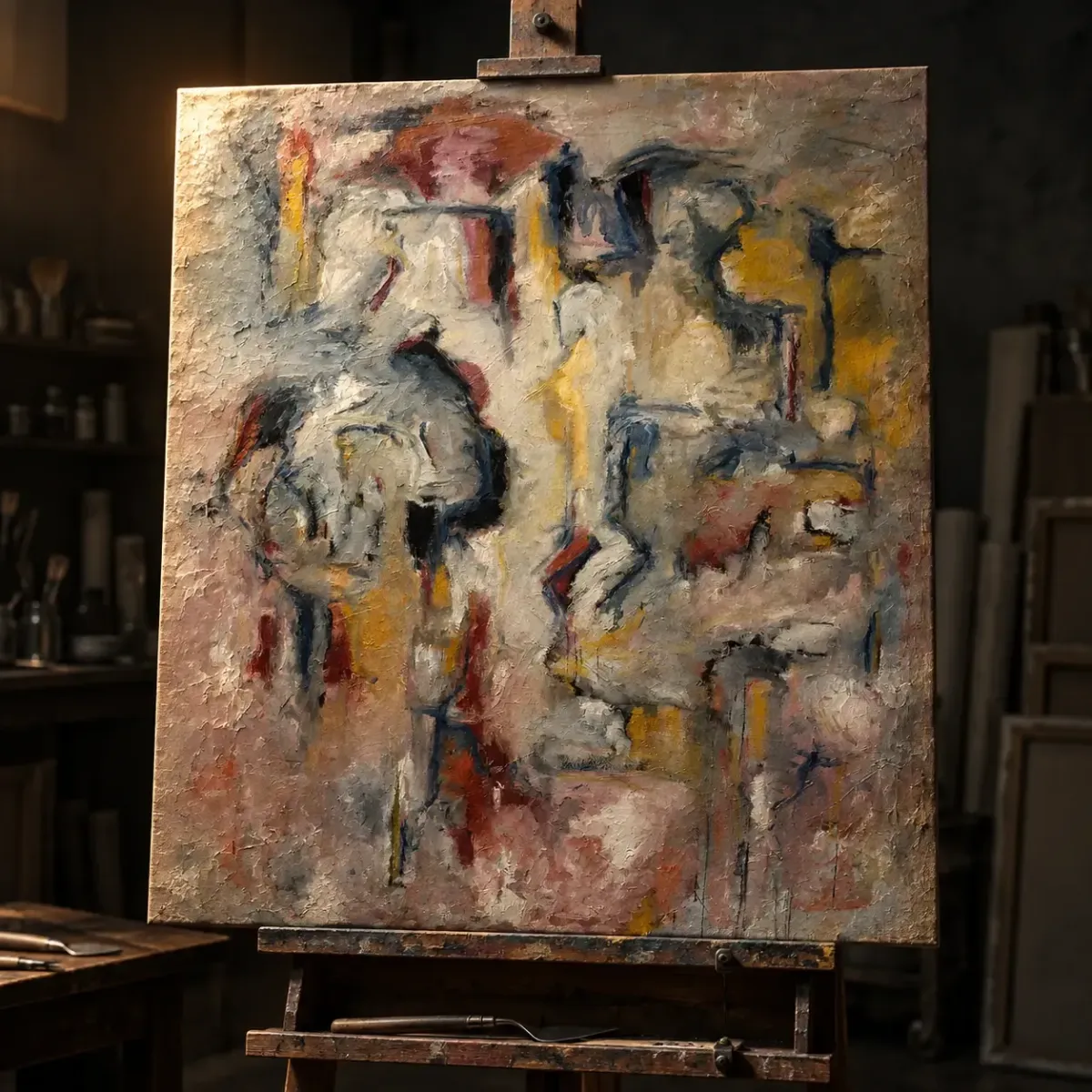
WINDOW
Beyond what we can see
Art can open a window toward something beyond the visible world — toward mystery, light and the unseen.
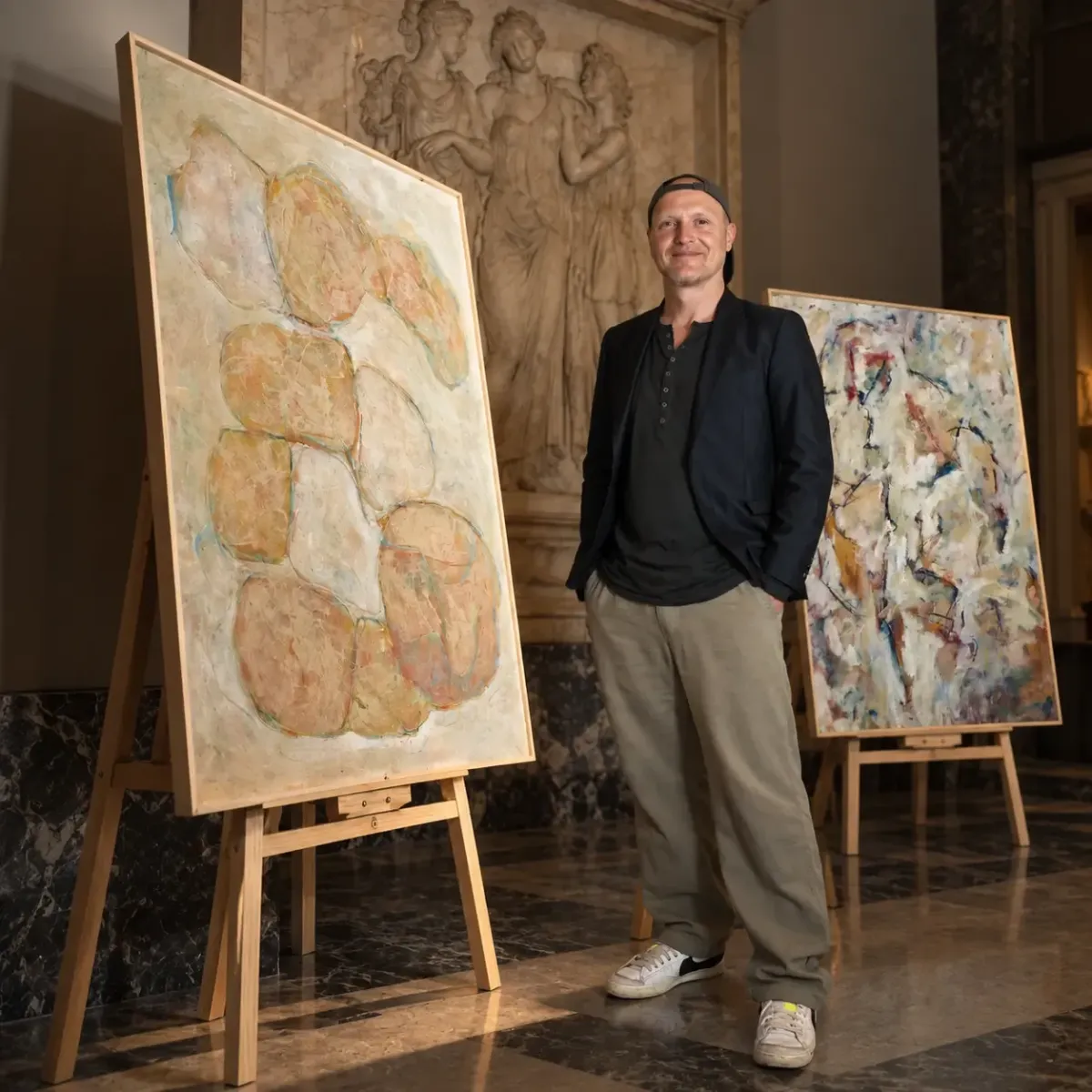
MIRROR
What is within us
Art can also turn our gaze inward, revealing something about ourselves that words cannot always reach.
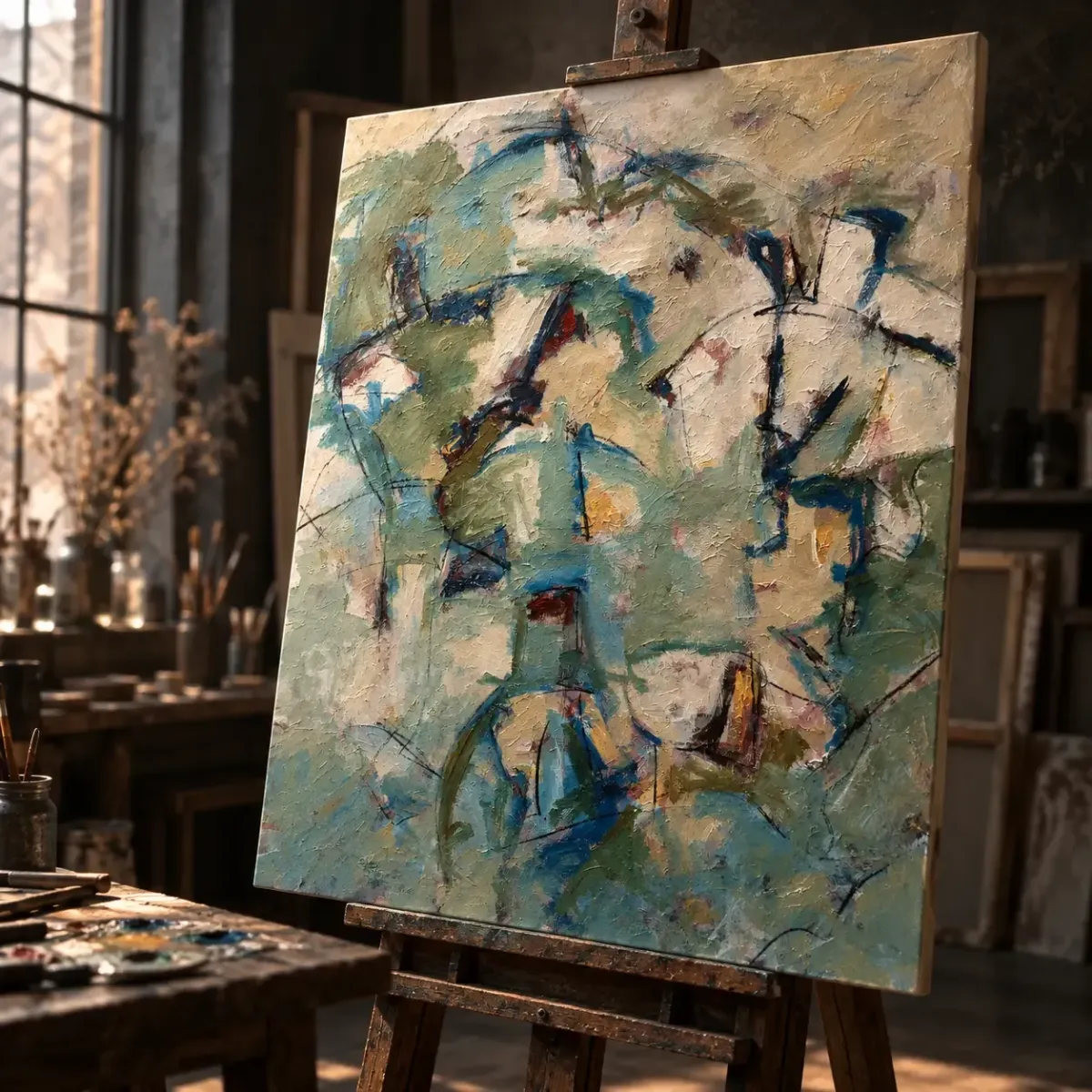
LENS
Seeing differently
Art can change the way we look at what is already around us, allowing the familiar to be seen again with new eyes.
“The painting is not the destination. It points beyond itself.”
THE ECCLESIA DELL’ARTE METHOD
THROUGH THE FIRE
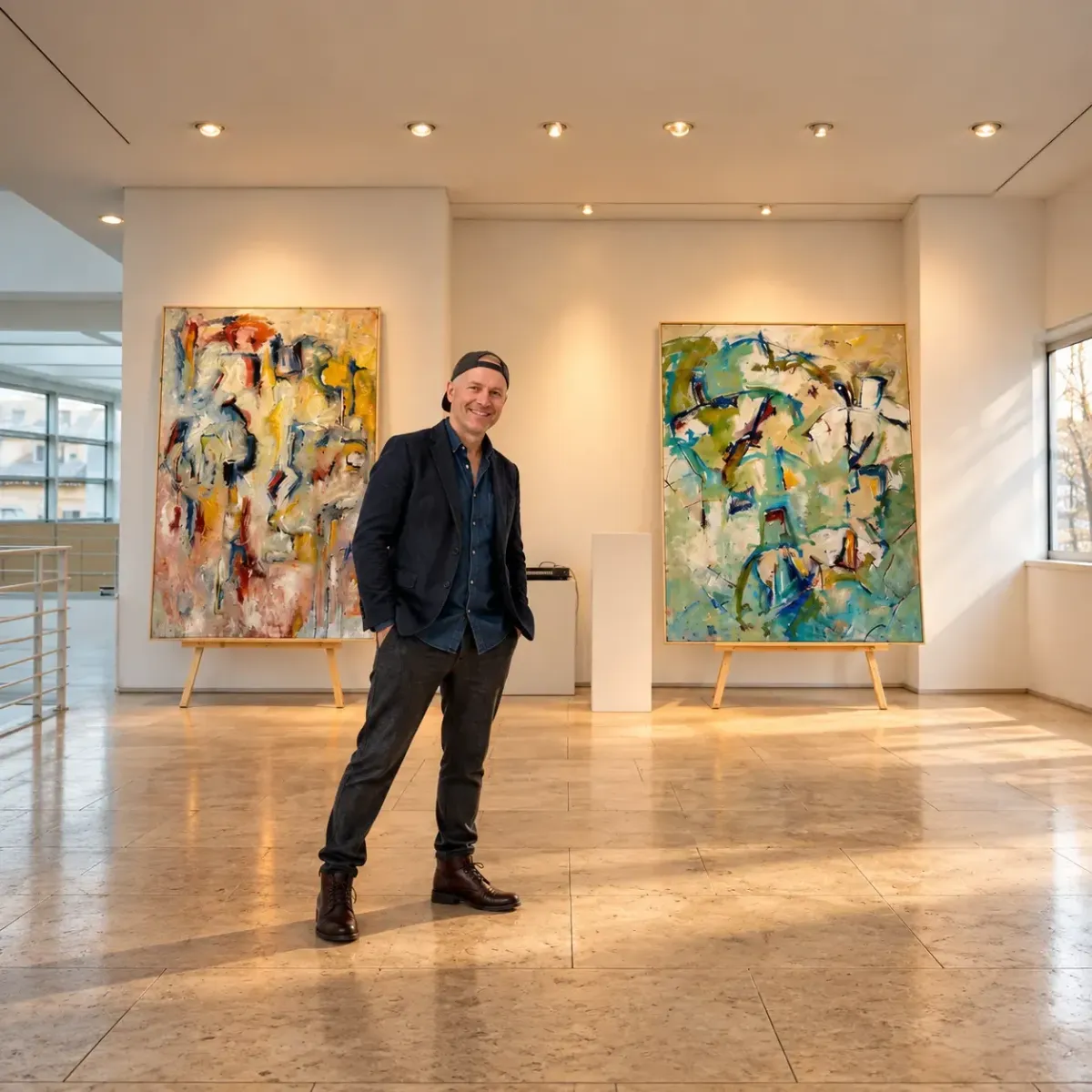
EXPOSITION ARA PACIS MUSEUM ROME - 2026
“I paint. I cover. I destroy. I rebuild.”
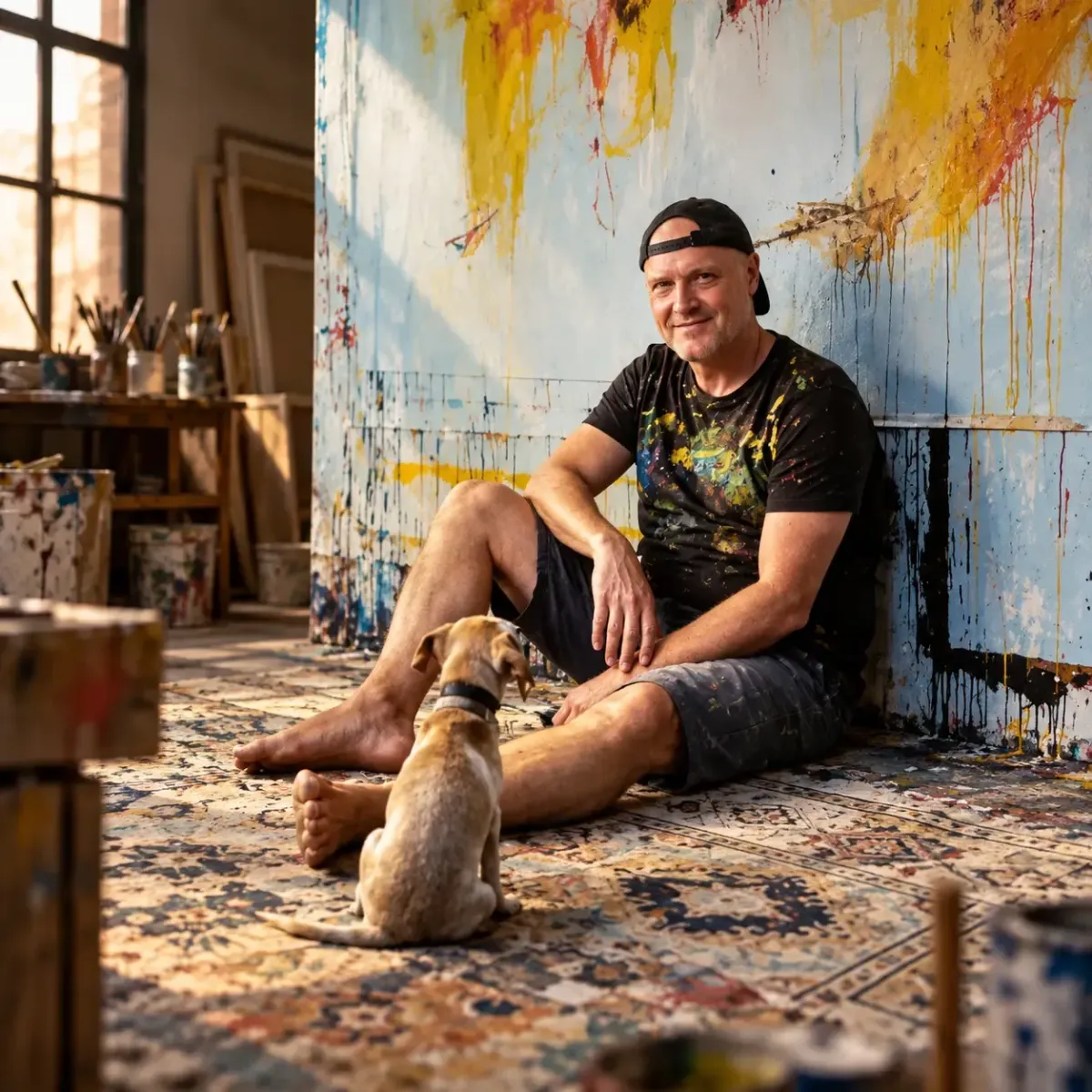
My paintings rarely arrive by a straight path.
I build layers. Sometimes I destroy what I have made. I paint over things that were working. I scrape back into the surface. I begin again.
There are moments when I think I have ruined the painting.
And yet very often, something appears through that process that I could never have planned at the beginning.
I do not avoid the fire. I go through it.
The earlier layers do not completely disappear. They remain beneath the surface. What was covered, broken or abandoned becomes part of what gives the final work its depth.
That is why Through the Fire became more than the title of one painting.
It describes something at the heart of my work — and of my faith.
Sometimes we reach the light by going through the darkness.
THE ECONOMY OF THE GIFT
NOTHING IS FOR SALE.
EVERYTHING HAS VALUE.
THE ARTWORK IS THE GIFT. THE DONATION MAKES THE NEXT GIFT POSSIBLE.
I don't want the value of a painting to begin and end with its price.
Through Ecclesia dell’Arte, works can be given to places where they can live, be encountered and become part of people's lives.
Those who believe in this vision can support the work through donations.
One gift makes the next gift possible.
That is the economy of the gift.
A NEW PATRONAGE
WHAT IF PATRONAGE WASN'T ABOUT POSSESSING ART?
What if patronage could make it possible for art to be created — and then given away?
ORIGIN / 01
A patron does not simply support art in order to possess it. A patron makes it possible for art to be created, given and encountered by others.
A patron supports the time, materials and space needed to create new work.
The work is created freely, without needing to satisfy a buyer or a market.
A painting can be donated to a person, church, hospital, public space or another place where people can encounter it.
The work begins another life — encountered by people the artist may never meet.
Support for Ecclesia dell’Arte provides the means to continue creating and giving.
CONTINUITY / 05
Each gift makes another possible, creating a continuing cycle in which art is created, given, and encountered by others.
CASE STUDY : WORK IN SITU
THROUGH THE FIRE
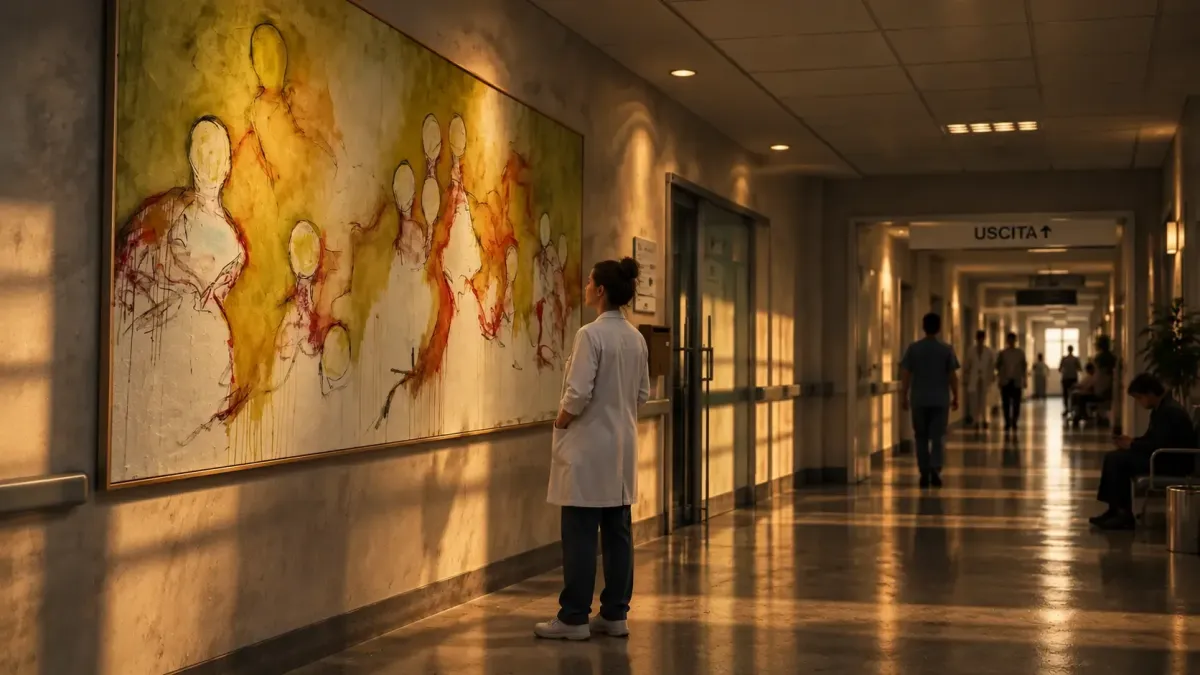
CRISTO RE HOSPITAL, ROME — PERMANENT INSTALLATION
A few months after my exhibition at the Ara Pacis Museum in Rome, I donated Through the Fire to Cristo Re Hospital.
The title comes from the way I paint: building, covering, destroying and rebuilding until something emerges that I could not have planned.
But the words took on another meaning when the painting entered the hospital.
Here, people encounter it in circumstances I cannot know and experiences I cannot control.
The painting no longer belongs to the moment in which I made it.
It has another life now.
“The artist creates the work. The artist offers it. And then the artist lets it go.”
INVITATION TO PATRONAGE
SUPPORT ECCLESIA DELL’ARTE
Help make the next work possible.
Every contribution supports the creation and giving of new work.
THE FOUNDER
ADRIAN BOL
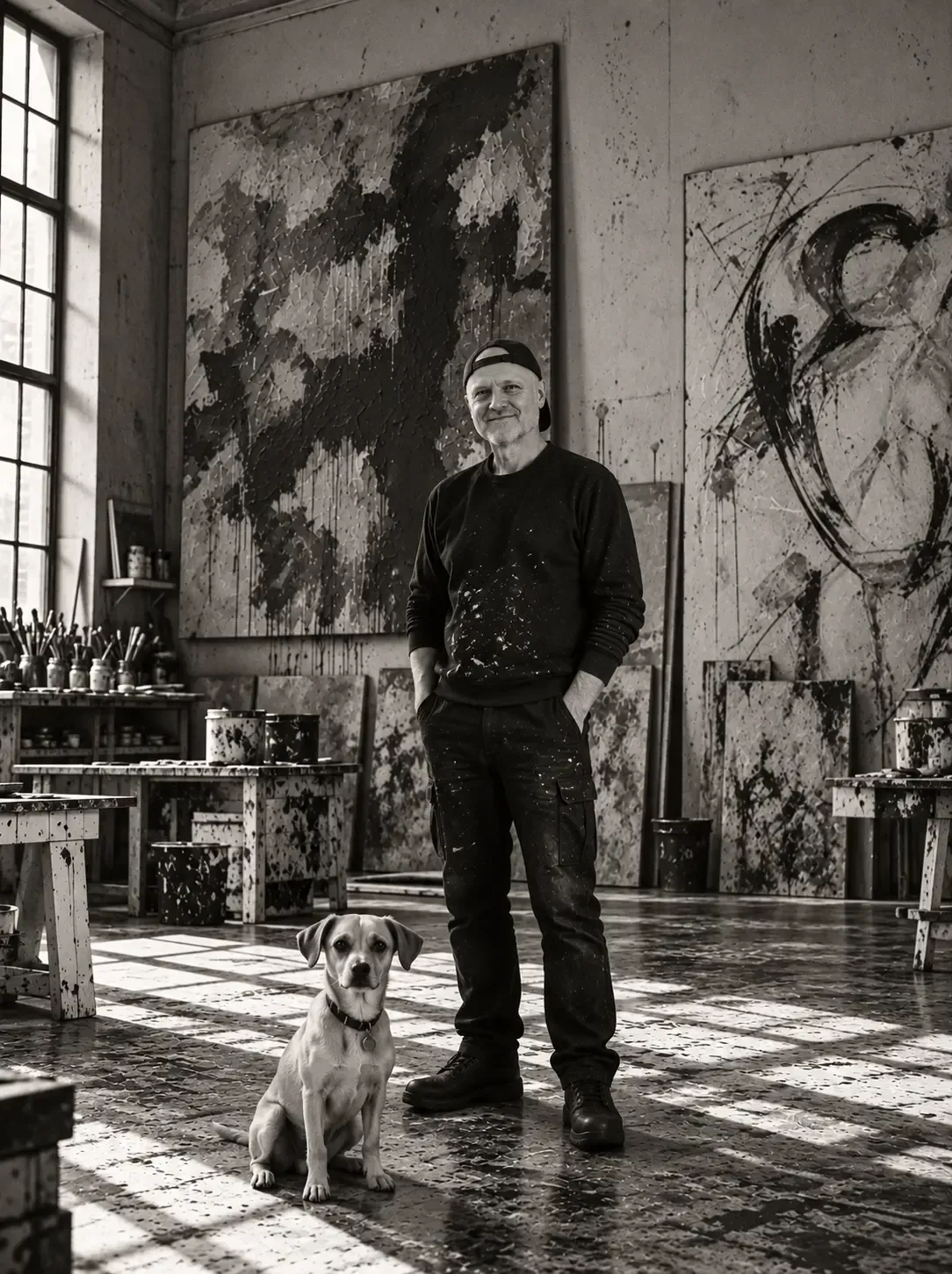
Adrian Bol is a Dutch artist and filmmaker based in Italy.
His work moves between painting and cinema, with his paintings exploring the relationship between the visible and the unseen.
His work has been exhibited in Rome, including at the Ara Pacis Museum, and Through the Fire is permanently installed at Cristo Re Hospital.
Ecclesia dell’Arte grew from his desire to explore a different relationship between artist, artwork and audience — one in which art can be created as an offering rather than simply as an object to be sold.